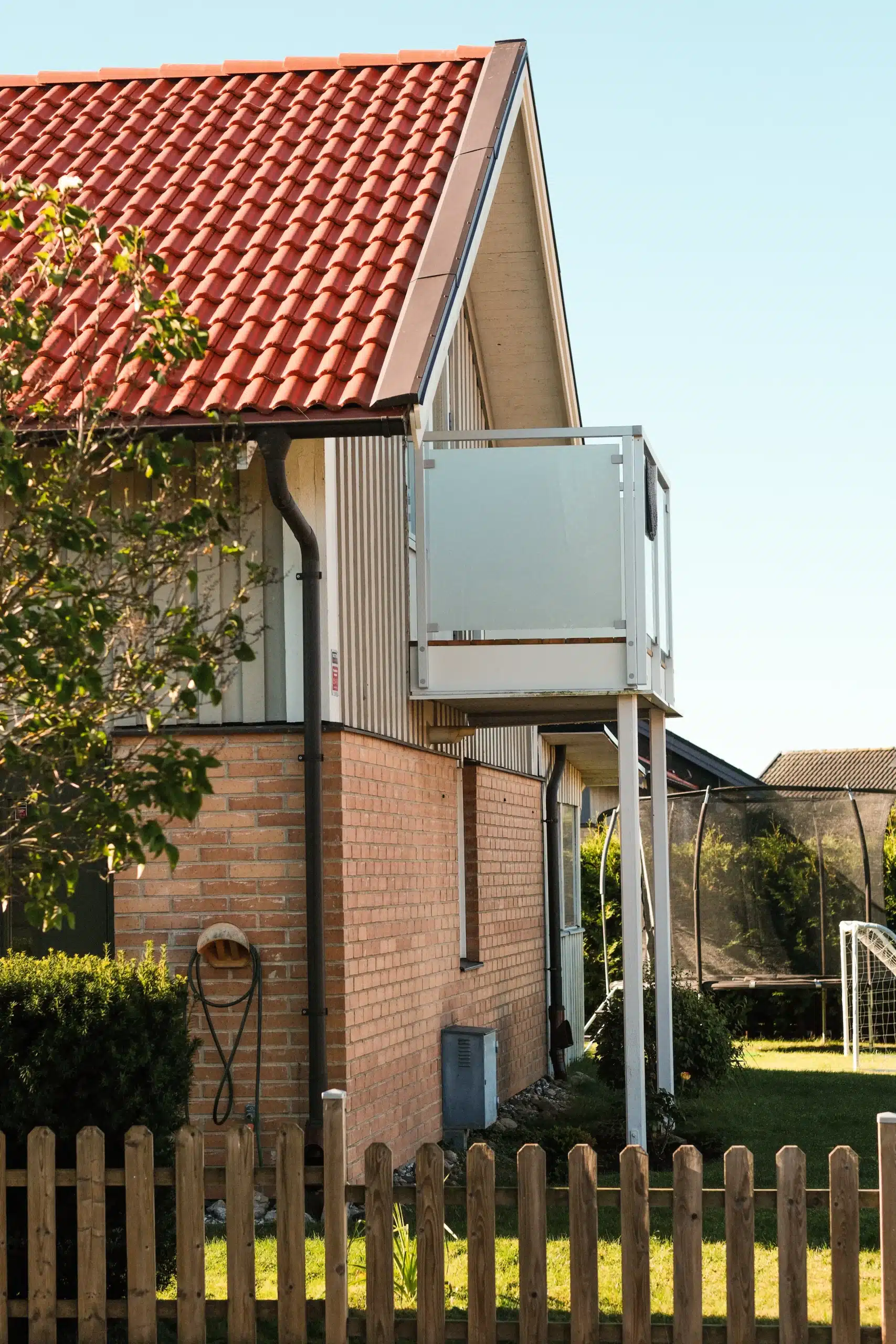
To choose the right colour at fence, consider the house’s existing colours, the size of the lot, and whether you want fence to blend in or make property boundary stand out more clearly.
Dark colours such as black, dark grey, and dark green can make fence less conspicuous against the surrounding vegetation, while white and other light colours often make the boundary more distinct. Traditional reds work best when the colour also has a natural connection to the house or another building on the property.
Start by considering the exterior walls, window trim, doors, roof, and other recurring colours. Then decide how prominent you want fence to be, and always test the colour you’re considering outdoors before making a final decision.
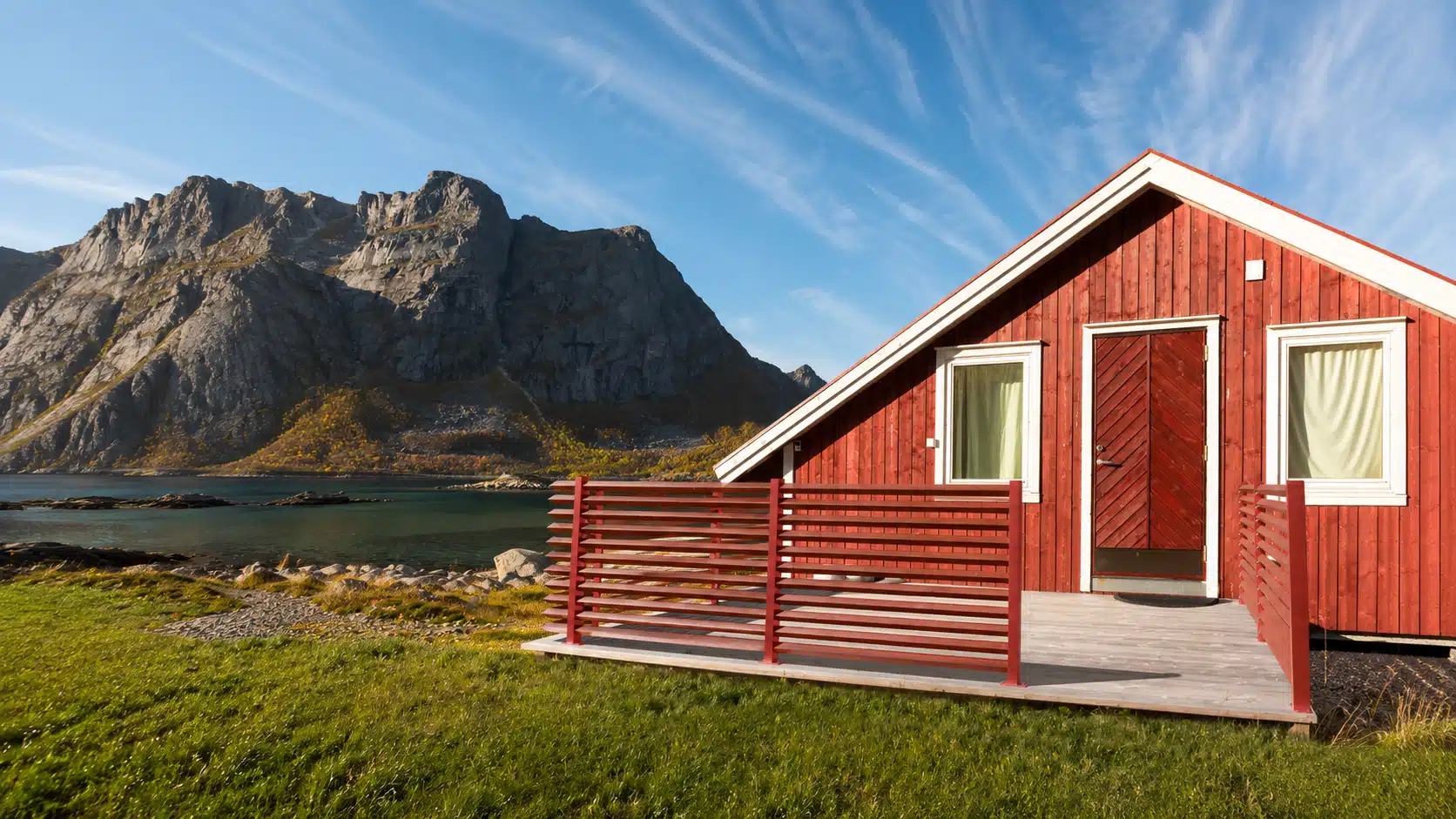
Which colour of fence is best suited for different types of houses and lots?
Start by considering the effect you want to create. Darker shades are often a good choice when you want to tone down the property boundary, while lighter shades make the fence clearer and can provide a more pronounced frame.
At the same time, the existing colours of the house are more important than a general rule. The table below is therefore a starting point for which colours might be worth trying in different settings.
| Situation | Desired effect | A colour to start with |
|---|---|---|
| Small plot | Tone down the property boundary and let the vegetation stand out more. | Dark grey, dark green, or black. |
| Large plot | Frame the area more clearly and create more visual structure. | White, light grey, or another light colour that complements the house. |
| A red house or building with a traditional colour scheme | Coordinate fence with the house's traditional colour scheme. | The same shade of red as the house, or a distinct dark contrast. |
| Woodland plot | Make fence blend in better with the vegetation and surroundings. | Dark green, grey-brown, or dark grey. |
| New-build homes | Make the fence feel like a natural part of the building's architecture. | A colour that already appears, for example, on trim, doors, or other details. |
| Distinctive design element | Highlight fence instead of letting it fade out. | A distinct contrasting colour that often appears elsewhere on the property. |
How do you match the colour of the fence to the house?
Start with the colours that are already on the house. The exterior walls, window trim, corners, doors, roof, and storage shed often provide clearer guidance than a standalone colour chart.
If fence selects a colour that’s already used on the building, it usually creates a more cohesive look with the house and the lot. However, you don’t have to choose the same colour as the facade itself.
How does a dark or light fence affect the garden?
Dark colours often make property boundary less noticeable, while light colours make the fence line stand out more clearly. Therefore, colour can influence both what the eye notices and how defined the garden appears.
Makes the property boundary less prominent
Black, dark grey, and dark green may appear less prominent, especially when fence is set against bushes, hedges, or other dark vegetation.
In that case, plants and other details in front of the fence often attract more visual attention than the border itself.
Makes the border stand out more clearly
White, light grey, and other light colours make the fence line more visible and can therefore provide a clearer frame for the property.
This effect can be a good choice when you want the fence to be a more prominent part of your garden's design and architecture.
How are different colours perceived on a fence?
Different colours give fence a different character. Black and dark grey often feel more austere, while white and light grey feel more distinctive; red, green, and grey-brown tones, on the other hand, can more easily blend in with traditional buildings or the natural surroundings of the property.
- Black and dark grey
- Often creates a sleek and modern look. These colours work especially well when you want plants, furniture, or other details in the foreground fence to draw more attention than the property boundary itself.
- White and light grey
- They create a brighter and more defined frame. They’re a good choice when you want fence to stand out as part of the garden’s design, and they can look especially natural if the house already features a similar colour.
- Traditional red tones
- Creates a more traditional and warm look. Red fence usually look most cohesive when the colour is repeated on the house, a shed, or another building on the property.
- Dark green and grey-brown
- They have a more natural look and blend well with shrubs, trees, and other muted colours in the surroundings. This makes them a good choice when you want fence to play a more subdued role in the garden.
- Wood tones and weathered wood
- Provides a more natural look that is true to the material. Untreated or transparently treated wood changes with the weather and over time, so the final result must be evaluated based on the type of wood, the treatment, and the surrounding environment.
When is Falu red paint suitable for a fence?
Falu red paint is a traditional Swedish red paint and is particularly well-suited when the colour red already has a clear presence on the property—for example, on the house, a storage shed, or another building.
In that case, fence can tie the buildings together and create a more traditional look. If, on the other hand, the house has a completely different colour scheme, a red fence becomes a more distinct design choice and needs to be evaluated in relation to the overall look.
On a red house, the same shade of red or a similar shade can create a cohesive look. For a white or grey facade, for example, dark grey, black, or another recurring accent colour can be a more subdued alternative.
Which colour on fence makes the lot feel larger or more defined?
If you want to tone down property boundary, darker and more muted colours are often easier to work with. If, on the other hand, you want to highlight where your property ends, a lighter or distinctly contrasting colour can make the fence line stand out more.
| Goals | A colour to start with | Here's how to enhance the effect |
|---|---|---|
| Tone down property boundary | Dark grey, dark green, or another muted dark shade. | Allow shrubs, hedges, or other vegetation to grow in front of parts of the fence. |
| Make the property boundary more distinct | White, light grey, or another light colour. | Let more of the fence line remain visible instead of covering it with vegetation. |
| Make fence blend into the house | A colour that is already present on the facade, trim, door, or other recurring detail. | Repeat the same colour on several smaller elements so that fence feels integrated into the whole. |
| Turn fence into a design element | A striking contrast to both the façade and the greenery. | Feel free to incorporate the accent colour into, for example, gate, a storage shed, or other details on the property. |
What should you consider before choosing a colour at fence?
Check the colour in natural daylight, consider how it looks throughout the different seasons, and take into account both maintenance and any local regulations before deciding on the final shade.
- View the colour sample outdoors
- A colour may look different outdoors than it does on a small sample swatch indoors. Therefore, compare the shade against the house and its surroundings in both sunlight and shade before making your decision.
- Assess the colour throughout the year
- Vegetation changes significantly between summer and winter. A colour that blends in well with green shrubs during the summer may therefore appear more prominent when the garden is bare.
- Include materials and maintenance
- How often a fence needs to be maintained depends, among other things, on the material, surface treatment, construction, and how exposed the location is. Therefore, be sure to check the care instructions for the material and treatment you choose.
- Check to see if the area has any special rules
- In culturally and historically significant settings, the colour, materials, and design may need to be adapted to the character of the building and the surrounding area. Therefore, check the latest information from your local authority or the relevant building regulations authority to find out if there are any local regulations that apply to the property in question.
How do you choose the right colour at fence?
Consider the house’s existing colour scheme, how prominently you want fence to appear, the lighting conditions of the space, and any practical requirements. This will make it easier to rule out colours that don’t work within the overall design.
Check these six points
-
Start with the house's existing colours
Take note of the colours already present on the facade, trim, doors, roof, and other buildings. They provide a natural starting point for the fence’s colour scheme.
-
Decide how prominent the fence should be
Consider whether the fence should make the property boundary less prominent, frame the garden more clearly, or serve as a more visible design element.
-
Compare dark and light options
Darker colours often blend in with the surrounding vegetation, while lighter colours make the fence line stand out more clearly. Consider which effect works best for the location.
-
Try the colour outdoors
Look at the colour sample where fence will be placed and compare it in both sunlight and shade. At the same time, evaluate how it looks against the facade and the surrounding vegetation.
-
Check materials and maintenance
The colour you choose should complement the fence's material and finish. Therefore, check which colours are available and what maintenance instructions apply to the solution you choose.
-
Check whether any local rules apply
If the property is located in an area of cultural and historical significance or is subject to special regulations, the colour, materials, and design must be reviewed before you make your final decision.
Would you like to see fence that matches your home's colour scheme?
Compare our fences and gates, or contact customer service for advice on choosing an option to suit your home and garden.
Frequently Asked Questions About Colour on fence
Here are brief answers to common questions about matching fence to your home, choosing between dark and light shades, and evaluating the colour before you make your decision.
Which colour from fence goes well with a red house?
A fence in the same shade of red can create a cohesive and traditional look. Dark grey, black, or another colour already used on the house can be alternatives if you want to create a more distinct contrast.
Should fence be the same colour as the house?
No. Instead, Fence can select a colour from, for example, window trim, a door, the roof, or other details. The important thing is that the colour feels like it’s part of the overall look of the house and the property.
Which colour on fence is the least noticeable?
Dark grey, dark green, and other muted dark colours may appear less prominent, especially against shrubs, hedges, and other vegetation. How visible fence is also depends on height, density, and the surrounding environment.
How do you test a colour before painting fence?
Look at a colour sample outdoors where fence will be installed, and compare it to the house in both sunlight and shade. Be sure to assess the colour at different times of day before making your decision.
Which colour of the fence requires the least maintenance?
Maintenance requirements are primarily determined by the materials, surface treatment, construction, and how exposed fence is—not by whether the colour is dark or light. Therefore, be sure to check the care instructions for the solution you have chosen.
Do I need planning permission for a fence?
It depends on the fence's height, density, location, and the regulations that apply to the site. Therefore, check the current regulations with the relevant authority and find out if there are any local regulations that affect your proposed solution.